
dark green reflective glass
Truss Mending Nail Plates for Wooden Villa Houses A Comprehensive Guide In the construction of wooden villa houses, one of the essential components that ensure structural integrity and longevity is the use of truss mending nail plates. These metal plates play a crucial role in reinforcing the connections between various wooden elements, providing the necessary strength and stability to withstand various environmental challenges. In this article, we will explore what truss mending nail plates are, their benefits, applications, and best practices for using them in wooden villa construction. What are Truss Mending Nail Plates? Truss mending nail plates are typically made of galvanized steel or other high-strength materials, designed to enhance the structural performance of wooden trusses. These plates, often shaped like thin sheets with pre-drilled holes or spikes, are affixed to the surfaces of wooden members using nails or screws. The primary function of these plates is to distribute loads effectively across the wood surface, ensuring a more stable connection between truss components such as rafters and chords. Benefits of Using Mending Nail Plates 1. Enhanced Structural Integrity Truss mending nail plates significantly increase the load-bearing capacity of wooden structures. By distributing stress over a larger area, they help prevent failures at the joints, which are often the weakest points in wooden constructions. 2. Ease of Installation With pre-drilled holes, mending nail plates can be easily installed using standard nails or screws. This simplicity in application makes them an attractive option for builders looking for efficient ways to reinforce wooden structures. 3. Cost-Effectiveness Compared to other reinforcement methods, such as additional framing or more complex steel connectors, mending nail plates are relatively inexpensive. This affordability makes them a popular choice among contractors focusing on budget-friendly construction practices. 4. Durability Made from weather-resistant materials, these plates can withstand various environmental conditions, including moisture and temperature fluctuations, ensuring that the structural integrity of the villa remains intact over time. 5. Aesthetic Versatility Mending nail plates can be used in various architectural designs without compromising the visual appeal of the wooden villa . They can be concealed within the frame or incorporated into the design, depending on the desired aesthetic. truss mending nail plate for wood villa house Applications in Wooden Villa Construction In wooden villa houses, truss mending nail plates are commonly used for connecting various truss components. Whether reinforcing roof trusses or framing for walls, these plates can enhance the robustness of the entire structure. Some typical applications include - Roof Trusses Connecting rafters to the top chord or supporting beams ensures the roof can bear heavy loads, such as snow or additional structural weight. - Floor Joists Providing additional support at the junctions where joists meet beams, helping to eliminate potential bouncing or flexing. - Wall Framing Strengthening the connections at the corners and intersections of wall studs, which is vital for the overall stability of the house. Best Practices for Using Truss Mending Nail Plates 1. Proper Sizing Ensure that the nail plates used are appropriately sized for the wooden elements they will be reinforcing. The right dimensions help optimize strength without adding unnecessary weight. 2. Correct Installation Technique Follow manufacturers’ guidelines for installing the plates, such as spacing, type of fasteners, and the number of nails or screws required. Improper installation can negate the benefits these plates offer. 3. Periodic Inspections After construction, it is recommended to perform periodic inspections of the nail plates and their connections. Identifying and addressing potential issues early can prevent severe structural problems down the line. 4. Combine with Other Reinforcement Methods While mending nail plates are highly effective, their use can be complemented with other reinforcement techniques to create a more robust overall structure. Conclusion Truss mending nail plates are invaluable tools in the construction of wooden villa houses. They provide enhanced structural integrity, ease of installation, and cost-effectiveness, making them essential for any builder or architect specializing in wooden structures. By understanding their benefits and applications, and adhering to best practices, builders can ensure that their wooden villas are not only beautiful but also remarkably sturdy and capable of standing the test of time. Embracing these components can lead to more durable and safe homes, ensuring that families enjoy their wooden havens for generations to come.
about
dark green reflective glass
A Buyer’s Field Notes on Precision Pin Gauges in 2025 If you’re scanning the market for pin gauges for sale , you probably already know the basics: these little workhorses are the fastest way to verify hole size with repeatable certainty. But the gap between “good enough” and production-grade is wider than it looks. I’ve toured a few gauge rooms lately and, to be honest, what separates a reliable set is the grind, the heat treat, and whether the calibration paperwork actually means something in an audit. What’s moving the market Two trends: smaller diameters and tighter tolerances. Medical device, fuel systems, and precision nozzles are driving sub-1 mm checks with ±1 µm aspirations. Also, buyers want traceability without fuss—QR-coded certificates and ISO/IEC 17025 calibration from the get-go. It seems that even job shops now expect lab-grade documentation. Product snapshot: Pin Gauge (0–10 mm) Origin: No.17, Building 11, Hardware Building Material City, Botou, Cangzhou, Hebei, China. Pin-type plug gauges for measuring small round-hole IDs with high precision. Typical sets in 0.01 mm or 0.005 mm steps. Parameter Spec (≈, real-world may vary) Diameter range 0.20–10.00 mm (custom to 0.05 mm below 0.20 mm) Tolerance grades Class X ≈ ±1.0 µm; Class Y ≈ ±1.5 µm; Class Z ≈ ±2.5 µm Material & hardness GCr15 / AISI 52100, HRC 60 ±2; optional carbide for abrasive use Finish & roundness Ra ≤ 0.05 µm; roundness ≤ 0.5 µm Length & marking 40–50 mm; laser-etched ID; optional QR linked cert Calibration ISO/IEC 17025 traceable cert available, GR&R-ready Process flow (how good pins are born) Material selection → vacuum heat-treatment → centerless grinding → fine lapping → superfinishing → laser marking → 100% inspection. Verification typically references ISO 1938-1 plain gauge requirements and reports uncertainty from a 17025-accredited lab. A quick batch study I saw: 30 pins at 2.00 mm, Class X, mean deviation +0.3 µm, 2σ ≈ 0.8 µm (air comparator). Service life? With proper oiling and sleeves, many shops report 100k+ insertions before any drift shows up. Where they shine Aerospace bushings and hydraulic orifices Automotive injectors, valve-seat checks, turbo oil galleries Medical hypotubes, surgical guides, and micro-molds General QC, toolroom setups, fixture qualification Many customers say the practical win is speed: no warm-up, no fuss—just Go/No-Go confidence. For CAPA-heavy environments, the audit trail matters just as much. Vendor landscape (my quick comparison) Vendor Typical tolerance Calibration Lead time Customization STR Machinery (Botou, Hebei) Class X–Z (±1.0–2.5 µm) ISO 17025 traceable Around 7–15 days Go/No-Go pairs, carbide, TiN Mitutoyo High precision, global stock Factory cert; 17025 via partners Stock-dependent Limited special builds Vermont Gage Class XX/X/ZZ (inch & metric) Accredited cert options Good U.S. availability Broad catalog Meyer Gage Shop-staple tolerances Cert on request Fast for standard sets Core sizes; customs limited Customization and QA Options include carbide pins for abrasive composites, extended-length for deep bores, matched Go/No-Go pairs, and anti-corrosion coatings. Testing typically includes air-comparator master checks, roundness measurement, and GR&R studies per AIAG MSA. One shop told me they cut scrap 18% after switching to Class X pins and locking in a weekly wipe-down + oil routine. Small habit, big payoff. Buying tips Ask for uncertainty on the cert, not just nominal tolerance. Verify reference to ISO 1938-1 and lab accreditation per ISO/IEC 17025. For harsh use, spec carbide or TiN and plan periodic re-cert (6–12 months). If you’re lining up pin gauges for sale for a medical or aerospace audit trail, don’t skimp on documentation. It’s cheaper than rework—always. References ISO 1938-1: Geometrical Product Specifications — Plain limit gauges ASME B89.1.5: Plug/Limit Gages ISO/IEC 17025: Testing and calibration laboratories AIAG MSA (GR&R) 4th Edition
-

High quality industrial productsagement

High quality industrial products
View Details -

Meet the diverse needs of customers

Meet the diverse needs of customers
View Details -

Strict quality control

Strict quality control
View Details -

Top raw materials

Top raw materials
View Details -

Trusted supplier

Trusted supplier
View Details
Our application


news and information
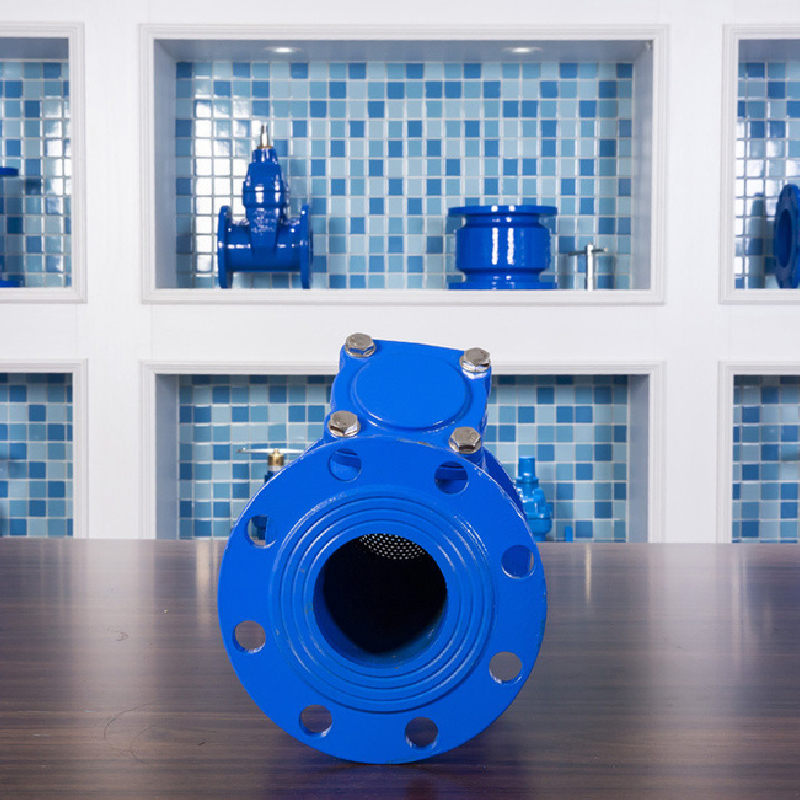
water meter shut off valve
The significance of the water meter shut off valve often goes unnoticed until an emergency arises or
Versatile Metal Ruler for Precise Right Angle Measurements in DIY Projects
The Right Angle Metal Ruler A Crucial Tool for Precision and Accuracy In the realm of measurement an
welding inspection ruler
The Importance of Welding Inspection Rulers in Quality Control In the world of manufacturing and con
 English